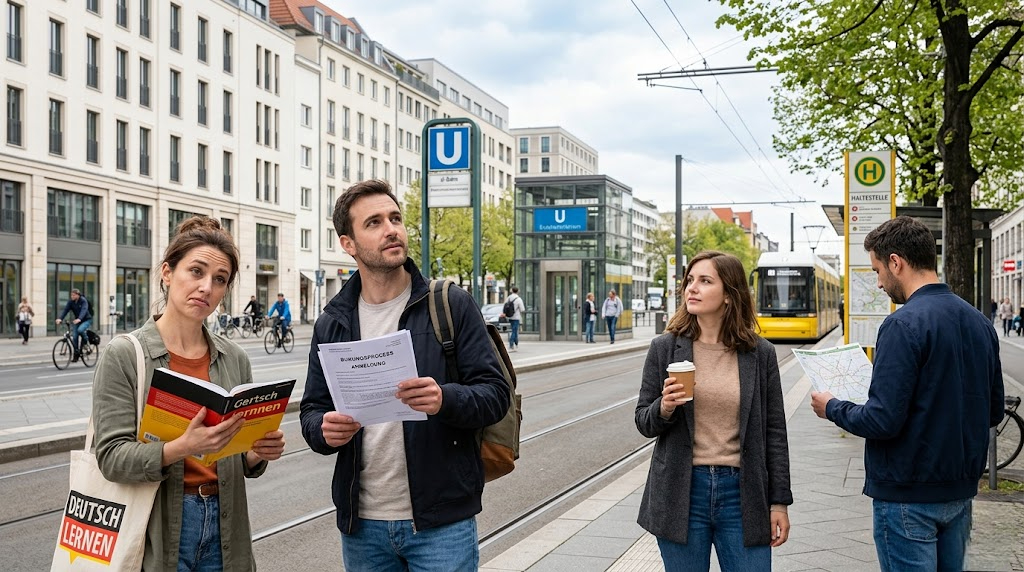
Germany is one of the most desired destinations for immigrants, international students, skilled workers and professionals looking for better opportunities and a stable future. Every year, thousands of people move to Germany hoping for a higher quality of life, stronger career growth, better education and long-term security. The country is globally respected for its infrastructure, economy, healthcare system, public transportation, safety and organized lifestyle. From modern cities and efficient trains to excellent universities and work opportunities, Germany offers many advantages that attract foreigners from around the world.
However, behind this attractive image, many immigrants experience something unexpected after arriving in Germany. This experience is commonly known as culture shock. It is one of the biggest emotional and psychological challenges foreigners face while adapting to a completely different environment, language and social culture.
Culture shock in Germany is not simply about missing home or struggling with German grammar. It is often much deeper than that. Many immigrants suddenly realize that daily life functions differently in Germany compared to their home countries. The communication style, work culture, social behavior, bureaucracy, lifestyle and even simple everyday interactions may feel unfamiliar. Some people adjust quickly, while others need years to feel emotionally comfortable.
For many foreigners, Germany feels highly efficient but emotionally distant during the first phase of settlement. This combination creates a unique experience that surprises many newcomers. Understanding these cultural differences early can help immigrants prepare mentally and adjust more smoothly.
One reason culture shock feels intense in Germany is because expectations are often very high before moving. Social media, YouTube videos and online success stories usually show only the positive side of Germany. People often see clean streets, modern transportation, strong salaries and beautiful cities. While these things are real, daily life also includes emotional and practical challenges that are rarely discussed openly.
Many immigrants arrive believing life will immediately become comfortable and stress-free. But after a few weeks or months, reality slowly appears. Suddenly, small daily activities become difficult. Reading official letters feels stressful. Speaking German in public creates anxiety. Finding friends becomes harder than expected. Winters feel long and emotionally heavy. The excitement of moving abroad slowly turns into adjustment pressure.
This phase is very common among immigrants in Germany. People may start questioning their decision, feeling lonely or comparing life constantly with their home country. At the same time, many foreigners also begin learning valuable life skills such as independence, discipline, patience and adaptability.
The German language is one of the biggest reasons immigrants experience culture shock in Germany. Many people initially believe English will be enough to survive, especially in major cities or international companies. However, after arriving, they quickly realize that daily life strongly depends on German language skills.
Simple situations that once felt normal suddenly become mentally exhausting. Reading apartment contracts, understanding official letters, speaking to government offices, visiting doctors, handling insurance paperwork or even talking to local neighbors may become stressful experiences for someone who does not speak German fluently.
Many immigrants feel frustrated because they were highly confident and independent in their home countries but suddenly struggle with basic communication in Germany. Even educated professionals may feel uncomfortable while speaking German publicly because they fear making mistakes or not understanding responses properly.
The language barrier also affects social life. People may avoid conversations because they cannot fully express their personality in German. This sometimes creates isolation and emotional distance from society. Over time, however, immigrants who continue learning German usually notice major improvements in confidence, friendships, career opportunities and overall comfort in Germany.
Another major culture shock immigrants experience in Germany is social behavior and communication style. In many countries, strangers casually start conversations, neighbors frequently interact and friendships form naturally within days or weeks. Germany often feels very different in comparison.
German society generally values privacy, personal boundaries and individual space. People may appear reserved or distant initially, especially toward strangers. Neighbors may politely greet each other but avoid long conversations. Colleagues may remain professional for a long time before becoming close friends. Even after months in Germany, some immigrants feel socially disconnected.
For foreigners coming from socially expressive cultures, this behavior can feel emotionally cold in the beginning. Some people mistakenly believe Germans are unfriendly, although this is usually not the case. In reality, friendships in Germany often take more time to develop, but they are usually genuine and trustworthy once established.
Many immigrants slowly learn that German communication is often practical rather than emotional. People generally respect honesty, punctuality and directness more than excessive politeness or unnecessary conversation.
Germany is well known for direct communication. This cultural difference surprises many immigrants during their first interactions in workplaces, universities, shops or public offices.
In some cultures, people communicate indirectly to avoid hurting feelings or creating discomfort. In Germany, however, many people prefer straightforward communication because it is considered honest, transparent and efficient.
For example, managers may openly point out mistakes at work without softening their words emotionally. A person may directly disagree during discussions without trying to sound overly diplomatic. Conversations are often shorter and more practical compared to highly social cultures.
Initially, immigrants may misunderstand this directness as rude behavior. However, after spending more time in Germany, many foreigners realize that this communication style is usually not intended personally. Germans often separate emotions from practical discussions more than people in many other cultures.
Once immigrants understand this difference, daily interactions become much easier and misunderstandings reduce significantly.
Germany is famous worldwide for organization, discipline and structured systems. Rules are followed seriously in many aspects of daily life. For immigrants coming from flexible or less structured environments, this can feel overwhelming in the beginning.
People quickly notice that punctuality is highly important in Germany. Arriving late to appointments, work meetings or official offices is generally viewed negatively. Public systems also depend heavily on order and planning.
Immigrants commonly experience cultural adjustment regarding:
Many newcomers initially feel stressed because they worry about making mistakes unknowingly. However, after adapting, some immigrants begin appreciating the reliability and predictability that German systems provide.
Over time, foreigners often become more organized themselves because daily life in Germany naturally encourages planning and discipline.
One of the most emotional aspects of culture shock in Germany is loneliness. Although Germany provides strong infrastructure and a comfortable standard of living, emotional adjustment can be difficult for many immigrants.
People leave behind family members, childhood friends, cultural familiarity, native languages and social support systems when moving abroad. During the first few months, excitement often hides these emotional challenges. But once normal routine begins, many immigrants start feeling isolated.
Making local friends can take time. Social circles in Germany are often smaller and more private. Cold weather and long winters may also reduce outdoor social activities, especially for people coming from warmer countries.
Many immigrants experience:
Winter months especially affect newcomers emotionally because daylight becomes shorter and outdoor life becomes quieter. Some immigrants describe this phase as one of the hardest parts of living in Germany.
At the same time, many people eventually build meaningful friendships and become emotionally stronger through the experience.
Work culture in Germany is another area where immigrants commonly experience culture shock. Germany offers many advantages professionally, including employee rights, work-life balance, paid holidays, healthcare benefits and structured working conditions.
However, the workplace environment itself may feel very different compared to other countries. German workplaces usually value efficiency, punctuality, professionalism and planning. Meetings often begin exactly on time, tasks are expected to be organized properly and communication is generally straightforward.
Many immigrants notice that colleagues may remain professional without becoming socially close quickly. Work and private life are often separated clearly in Germany. Some foreigners initially expect coworkers to become close friends rapidly and later feel disappointed.
Over time, many immigrants appreciate the professionalism and balanced work culture Germany offers. People often enjoy clearer working hours and stronger personal time compared to highly stressful work cultures in other countries.
Germany has a strong bureaucratic system and dealing with official paperwork becomes one of the most stressful experiences for many immigrants.
Tasks such as residence permits, city registration, visa renewals, tax documents, health insurance and banking procedures often involve multiple appointments and formal documentation.
Many official letters arrive only in German, which increases confusion for newcomers. In larger cities, appointments may also take weeks or months to receive.
This process becomes mentally exhausting for many foreigners because they constantly fear missing important documents or misunderstanding official instructions.
Eventually, immigrants learn that patience organization and careful planning are essential parts of living successfully in Germany.
One interesting reality many immigrants notice is that Germany slowly changes their habits and mindset over time.
People who once disliked strict planning may become more organized. Those who were often late may start arriving early. Foreigners gradually adapt to recycling systems, public discipline, privacy culture and structured lifestyles.
Many immigrants eventually appreciate the calm environment, reliable public transportation, safety and independence Germany offers. Others continue missing the emotional warmth, spontaneity and social closeness of their home countries.
Every immigrant experiences Germany differently depending on personality, expectations, career success, language skills and social support. There is no single immigrant experience because adaptation is deeply personal.
Culture shock is a normal process and should not be viewed as failure. Almost every immigrant experiences emotional ups and downs during adaptation.
There are several practical ways to adjust more smoothly:
Most immigrants who initially struggle eventually become more comfortable after understanding German systems and social behavior better.
Culture shock in Germany is real and it affects immigrants emotionally, socially and mentally in different ways. Germany offers many long-term benefits including safety, career opportunities, strong infrastructure and quality public services. At the same time, adapting to German culture requires patience, emotional resilience and openness to change.
Language barriers, loneliness, social differences, bureaucracy and communication styles are some of the most common challenges foreigners experience after moving to Germany. However, these experiences also help many immigrants grow personally and become more independent.
For anyone planning to move to Germany, understanding these cultural differences early can make the transition much smoother. Germany may not always feel emotionally easy in the beginning, but for many immigrants, it eventually becomes a place of stability, growth, opportunity and a second home built through experience and adaptation.

 ▼
▼
 Deutsch
  Artikel Quiz
 German Grammar