German Seasons Vocabulary in English and German
Seasons in German with articles - Check full List
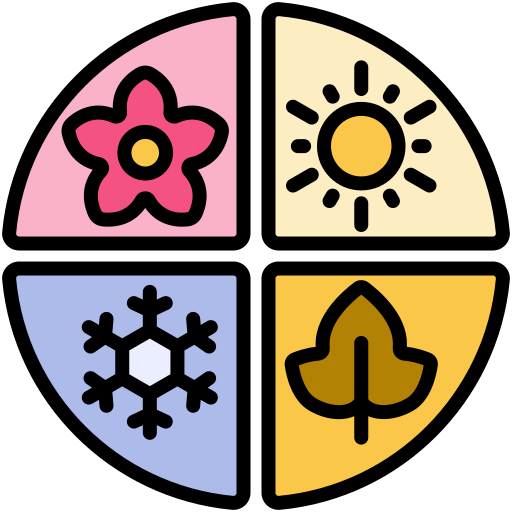
Seasons vocabulary in German is very important for daily conversation, weather discussions, travel planning, clothing choices and cultural topics. These words are commonly used when talking about spring, summer, autumn and winter in Germany.
This topic is especially useful for students, immigrants and German learners who want to describe weather, nature and seasonal changes confidently.
Why Learning German Seasons Vocabulary is Important
German seasons vocabulary is commonly used in:
- Daily weather conversations
- Travel and holiday planning
- Clothing and fashion choices
- School and academic topics
- Nature and outdoor activities
- Festivals and cultural events
- Health and lifestyle discussions
Understanding these terms helps learners talk about time and environment naturally.
Smart Ways to Learn German Seasons Vocabulary Faster
- Observe seasonal changes in Germany and describe them.
- Follow German weather forecasts daily.
- Learn vocabulary with real-life experiences (clothing, weather).
- Watch German travel or nature videos.
- Group vocabulary into each season.
Learning through real seasonal experiences makes vocabulary easy to remember.
Examples of German Seasons Vocabulary in Sentences
- Der Frühling ist sehr schön in Deutschland.
(Spring is very beautiful in Germany.)
- Im Sommer ist es oft warm und sonnig.
(In summer, it is often warm and sunny.)
- Der Herbst bringt viele bunte Blätter.
(Autumn brings many colorful leaves.)
- Im Winter schneit es oft.
(It often snows in winter.)
- Jede Jahreszeit hat ihre Besonderheiten.
(Every season has its special features.)
Important Grammar Tips
- Seasons in German are nouns and always capitalized.
- Common structures:
- im Sommer / im Winter (in summer / in winter)
- im Frühling / im Herbst (in spring / in autumn)
- Example patterns:
- das Wetter ist kalt/warm (the weather is cold/warm)
- die Jahreszeit wechseln (seasons change)
- German uses the word “Jahreszeit” for season.
- Preposition “im” is commonly used with seasons.
Understanding these grammar patterns helps learners describe time and weather correctly.
Common Situations Where Seasons Vocabulary is Used
German seasons vocabulary is especially useful when:
- Talking about weather and climate
- Planning holidays and travel
- Choosing seasonal clothing
- Discussing nature and environment
- Attending festivals and events
- Writing essays or academic topics
- Daily small talk conversations
These terms are widely used in everyday life and communication.
German seasons vocabulary helps learners describe weather, nature and time of year clearly and naturally. By learning seasonal terms, expressions and grammar patterns, learners can improve both daily conversation and cultural understanding. Regular observation of real seasonal changes will help you remember these terms easily and use them effectively in German-speaking environments.

 ▼
▼
 Deutsch
  Artikel Quiz
 German Grammar