German Natural Elements Vocabulary in English and German
Natural Elements in German with articles - Check full List
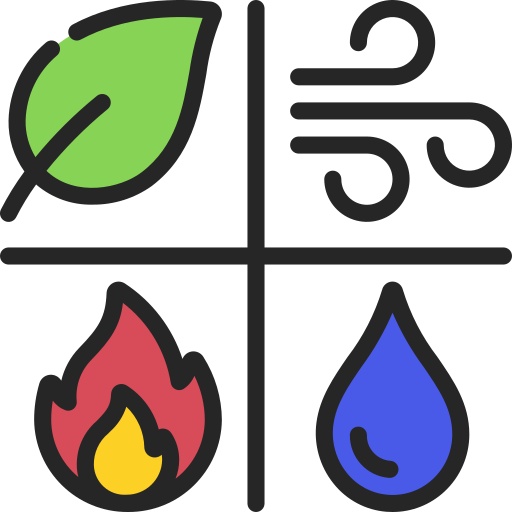
Natural elements vocabulary in German is important for daily conversation, education, geography, science and environmental topics. These words describe basic elements of nature such as earth, water, air, fire and other natural forces and materials found in the environment.
This topic is especially useful for students, travelers, immigrants and German learners who want to understand nature-related discussions and improve descriptive vocabulary.
Why Learning German Natural Elements Vocabulary is Important
German natural elements vocabulary is commonly used in:
- Geography and science lessons
- Environmental discussions
- Weather and climate descriptions
- Travel and outdoor activities
- Nature documentaries and media
- Everyday conversations
- Academic studies and exams
Understanding these terms helps learners describe the natural world more clearly and confidently.
Smart Ways to Learn German Natural Elements Faster
- Observe nature and describe it in German.
- Watch German documentaries about nature and environment.
- Learn vocabulary while traveling or hiking.
- Group words into earth, water, air, fire and space.
- Use flashcards with natural images.
Learning through real-world observation makes vocabulary easier to remember.
Examples of German Natural Elements Vocabulary in Sentences
- Das Wasser ist sehr klar.
(The water is very clear.)
- Die Erde ist fruchtbar und dunkel.
(The soil is fertile and dark.)
- Die Luft ist heute frisch und sauber.
(The air is fresh and clean today.)
- Das Feuer brennt stark im Kamin.
(The fire is burning strongly in the fireplace.)
- Der Himmel ist blau und wolkenlos.
(The sky is blue and cloudless.)
Important Grammar Tips
- Natural element nouns in German are always capitalized.
- Articles depend on grammatical gender.
- das Wasser, die Erde, die Luft, das Feuer
- German often uses compound nature-related words.
Example: Naturkraft (natural force), Sonnenlicht (sunlight)
- Common verbs:
- fließen (to flow)
- brennen (to burn)
- wehen (to blow)
Understanding these grammar patterns helps learners describe nature more accurately.
Common Situations Where Natural Elements Vocabulary is Used
German natural elements vocabulary is especially useful when:
- Talking about weather and environment
- Studying geography or science
- Traveling, hiking or outdoor activities
- Watching nature documentaries
- Discussing environmental issues
- Describing landscapes and surroundings
- Everyday conversations about nature
These terms are widely used in both educational and daily contexts.
German natural elements vocabulary helps learners describe basic forces and materials of nature clearly and confidently. By learning nature terms, expressions and grammar structures, learners can improve both academic understanding and everyday communication. Regular practice through observation and real-life experiences will help you remember these terms naturally and use them effectively in German-speaking environments.

 ▼
▼
 Deutsch
  Artikel Quiz
 German Grammar