German Body Parts and Anatomy Vocabulary in English and German
Body Parts and Anatomy in German with articles - Check full List
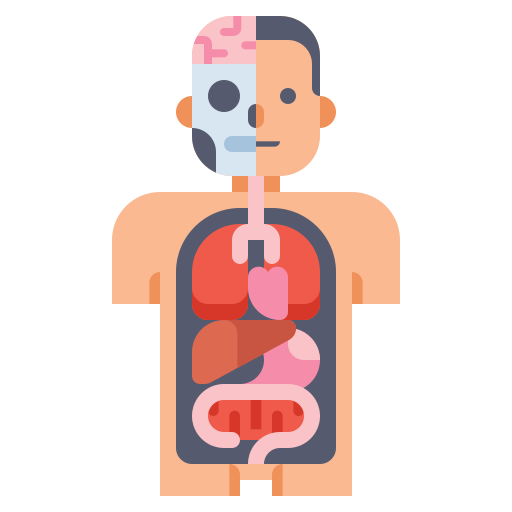
Body parts and anatomy vocabulary in German is one of the most practical and essential topics for daily communication, healthcare, education, fitness, and personal well-being. Whether you are visiting a doctor, describing pain, exercising, learning biology, or simply talking about the human body, these German words are extremely useful in real-life situations.
This topic is especially valuable for students, immigrants, healthcare workers, travelers, parents, and German learners who want to communicate clearly in medical or everyday conversations.
Why Learning German Body Parts Vocabulary is Important
German body-related vocabulary is commonly used in:
- Doctor and hospital visits
- Health and medical conversations
- Fitness and sports activities
- School and biology education
- Daily conversations about pain or injuries
- Personal care and hygiene discussions
- Pharmacy and healthcare situations
Understanding these terms helps learners explain physical conditions more confidently and understand medical instructions more clearly.
Effective Ways to Learn German Anatomy Vocabulary Faster
- Learn vocabulary while identifying body parts visually.
- Practice simple health-related sentences daily.
- Use diagrams or anatomy pictures for visual memory.
- Watch German health or fitness videos online.
- Group words into categories like head, arms, organs and muscles.
Learning vocabulary through visual association makes anatomy terms easier to remember.
Examples of German Body Parts Vocabulary in Sentences
- Mein Kopf tut weh.
(My head hurts.)
- Er hat starke Schmerzen im Rücken.
(He has severe pain in his back.)
- Die Augen sind sehr wichtig für das Sehen.
(The eyes are very important for seeing.)
- Sie hat sich den Arm verletzt.
(She injured her arm.)
- Nach dem Sport tun meine Beine weh.
(My legs hurt after sports.)
Important Grammar Tips
- Body part names in German are nouns and always capitalized.
- Articles vary depending on grammatical gender.
- Example: der Kopf, die Hand, das Auge
- German often uses possessive pronouns with body parts.
- Example: mein Arm, seine Hand, ihre Augen
- Reflexive verbs are common in health-related sentences.
- Example: sich verletzen, sich bewegen, sich fühlen
Understanding these structures helps learners communicate naturally in medical and everyday situations.
Common Situations Where Anatomy Vocabulary is Used
German body and anatomy vocabulary is especially useful when:
- Visiting doctors, dentists or pharmacies
- Explaining symptoms or injuries
- Talking about exercise and fitness
- Studying biology or medicine
- Understanding health instructions
- Buying healthcare or hygiene products
- Communicating during emergencies
These words are essential for both everyday life and healthcare-related communication in Germany.
German body parts and anatomy vocabulary helps learners communicate about health, fitness, injuries, and the human body more confidently. By learning anatomy-related terms, grammar structures, and practical examples, learners can improve both daily communication and medical understanding in German-speaking environments. Regular practice through conversations, diagrams, and real-life situations will help you remember these terms naturally and use them effectively in everyday life.

 ▼
▼
 Deutsch
  Artikel Quiz
 German Grammar